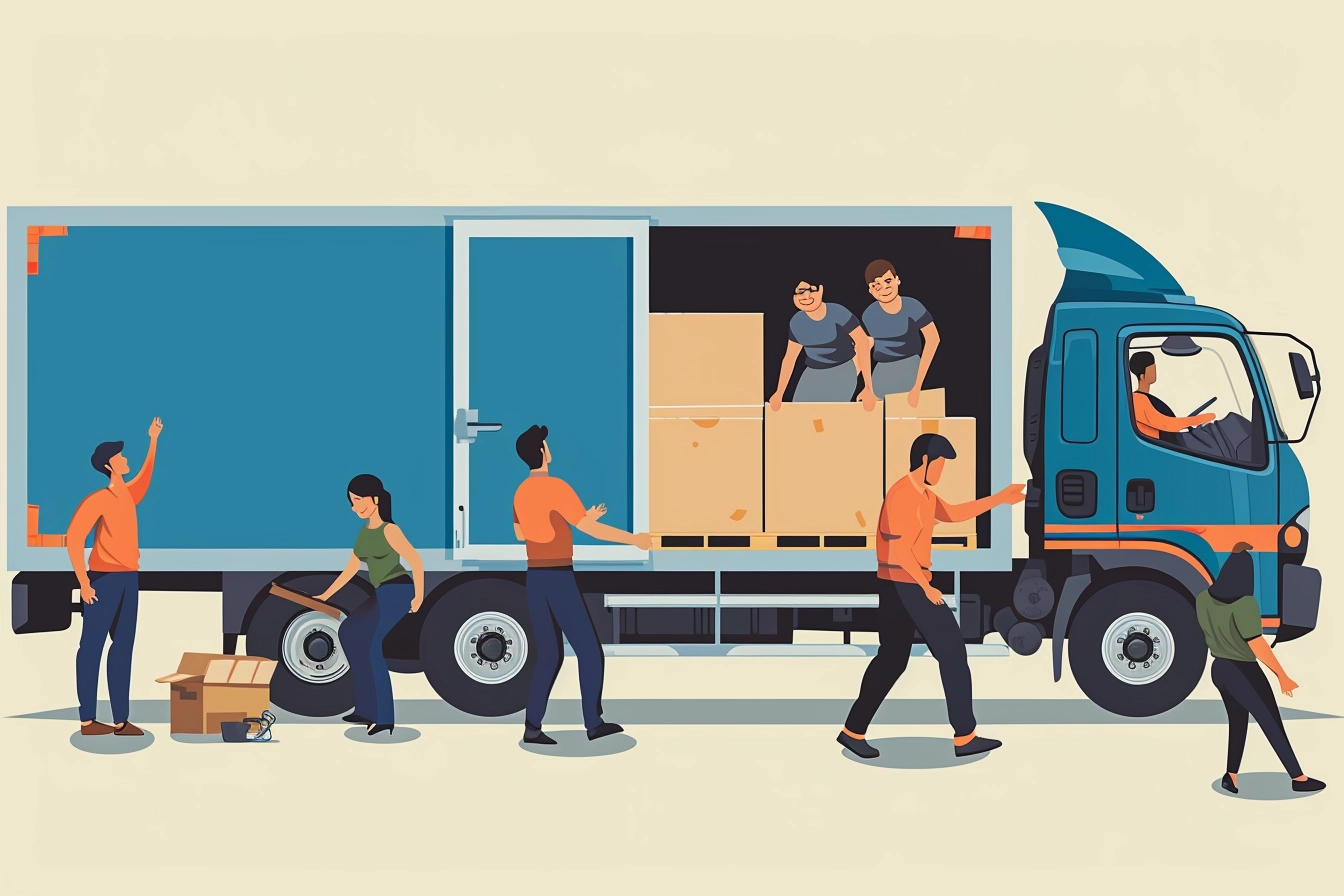
Urban logistics, is the transportation of goods within city or district (the urban area) and aims at managing and coordinating the movement of goods in the dense and congested urban areas. It encompasses the processes involved in delivering goods from distribution centres to businesses and consumers located in cities. This process includes everything from start of planning of delivery routes to the handling of last-mile logistics to end customers.
Urban logistics in note of the hurdle the truck driver faces in times of deliveries in urban areas. Efficiently delivery of goods can be difficult for several reasons. First, the businesses rely on timely delivery of goods to meet customer’s demand. But due to population density in urban areas, sometime truck drivers get stuck in heavy traffic on road, or in crowded area, which in turn makes difficult these heavy vehicles drivers to move. Second, with rise of e-commerce, there has been a significant increase in the volume of goods being delivered to urban areas, further again brings out the issue of congestion and other logistical challenges at the time of delivery.
Finally, it’s important to ensure that efficient delivery of goods in cities is essential for reducing these traffic congestion, minimizing environmental impact due to heavy-duty vehicles (trucks), and improving overall quality of life for urban residents.
In this blog post, we will delve into the unique challenges faced by urban logistics, including traffic congestion, limited parking and loading spaces, and environmental concerns.
Challenges Faced At the Time of Deliveries of Goods
Traffic Congestion
Traffic congestion poses a significant challenge for urban logistics operations. In densely populated cities, heavy traffic can lead to delays in delivery times, increased fuel consumption, and higher operating costs for logistics companies. Navigating through congested streets also heightens the risk of accidents and can result in goods being delivered late or damaged.

Limited Parking and Loading/Unloading Spaces
The scarcity of parking and loading/unloading spaces in urban areas presents a major obstacle for delivery vehicles. Trucks often struggle to find suitable places to park while making deliveries, leading to illegal parking, double-parking, and obstruction of traffic flow. This not only causes disruptions but also increases the likelihood of fines and penalties for logistics companies.

Narrow Roads and Tight Turns
Urban logistics faces the challenge of navigating through narrow roads and negotiating tight turns, particularly in older cities with limited infrastructure. Large delivery trucks may encounter difficulty manoeuvring through narrow streets, resulting in delays and congestion. Additionally, tight turns can pose safety risks for both drivers and pedestrians, requiring careful planning and skillfull driving.
Noise and Pollution Concerns
The operation of delivery vehicles in urban areas contributes to noise pollution and emissions, impacting the health and well-being of residents. The constant rumble of trucks and the release of pollutants from diesel engines can degrade air quality and create unpleasant living conditions. Addressing noise and pollution concerns is crucial for promoting sustainable urban logistics practices.
Solution to These Challenges
- Utilization of Advanced Route Optimization Strategies
Implementing advanced route optimization strategies can streamline delivery routes, minimizing travel time and reducing fuel consumption. By analysing traffic patterns and delivery schedules, these strategies identify the most efficient routes for delivery vehicles, mitigating the impact of congestion on urban logistics operations.

- Implementation of Off-Peak Delivery Practices
Off-peak delivery practices involve scheduling deliveries during non-peak hours, such as early mornings or late evenings. By avoiding peak traffic times, delivery vehicles can move more quickly through city streets, reducing delivery times and minimizing disruptions to traffic flow.
- Integration of Micro-Depots and Last-Mile Delivery Hubs
Micro-depots and last-mile delivery hubs serve as centralized locations for storing goods and organizing delivery operations within urban areas. Strategically placing these facilities close to delivery destinations minimizes the distance travelled by vehicles such as fs, reducing fuel consumption and optimizing the last-mile delivery process.

- Adoption of Environmentally-Friendly Vehicles and Alternative Fuels
Embracing environmentally-friendly vehicles, such as electric trucks and hybrids, helps mitigate the environmental impact of urban logistics. These vehicles produce fewer emissions and less noise pollution than traditional diesel trucks. Additionally, alternative fuels like biofuels offer sustainable alternatives to conventional fossil fuels, reducing the carbon footprint of logistics activities in urban areas.
Technology Use in Urban Logistics
Use of GPS and Real-time Tracking Systems
The integration of GPS and real-time tracking systems has significantly impacted urban logistics. GPS technology enables precise vehicle tracking and route optimization, allowing logistics companies to monitor delivery vehicles’ locations and statuses in real-time. This facilitates improved delivery accuracy, optimized routes to avoid congestion, and provides customers with reliable delivery ETAs (Estimated Time of Arrival). Real-time tracking enhances transparency and accountability, empowering customers to monitor their shipments throughout the delivery process.

Autonomous and Semi-autonomous Delivery Vehicles
The advent of autonomous and semi-autonomous delivery vehicles promises transformative changes in urban logistics. Equipped with advanced sensors, cameras, and AI technology, autonomous vehicles can navigate city streets safely and efficiently without human intervention. They optimize delivery routes, reduce fuel consumption, and mitigate traffic congestion’s impact on delivery times. Semi-autonomous vehicles, requiring human oversight but capable of some autonomous tasks, offer a hybrid approach, combining automation’s efficiency with human adaptability. As autonomous technology evolves, integrating autonomous and semi-autonomous vehicles holds potential for revolutionizing last-mile logistics, enhancing efficiency, and promoting sustainability in urban delivery operations.

Conclusion
In conclusion, addressing the unique challenges of urban logistics is crucial for ensuring the efficient delivery of goods in congested city environments. The obstacles of traffic congestion, limited parking, narrow roads, and environmental concerns demand innovative solutions to optimize logistics operations and minimize disruptions. By implementing advanced route optimization strategies, scheduling off-peak deliveries, and integrating micro-depots and last-mile delivery hubs, logistics companies can navigate urban landscapes more effectively while reducing environmental impact.
Moreover, the adoption of environmentally-friendly vehicles and alternative fuels offers sustainable alternatives to traditional diesel trucks, mitigating pollution and noise concerns. Technology plays a crucial role in modernizing urban logistics, with GPS and real-time tracking systems enhancing transparency and accountability, and autonomous and semi-autonomous delivery vehicles revolutionizing last-mile operations.
As urban populations continue to grow and e-commerce flourishes, the importance of efficient urban logistics will only increase. By embracing innovative solutions and leveraging technological advancements, we can overcome the challenges of delivering goods in congested cities, improving the quality of life for urban residents and promoting sustainable urban development.
 +971 52 119 7025 (UAE)
Leave a Reply