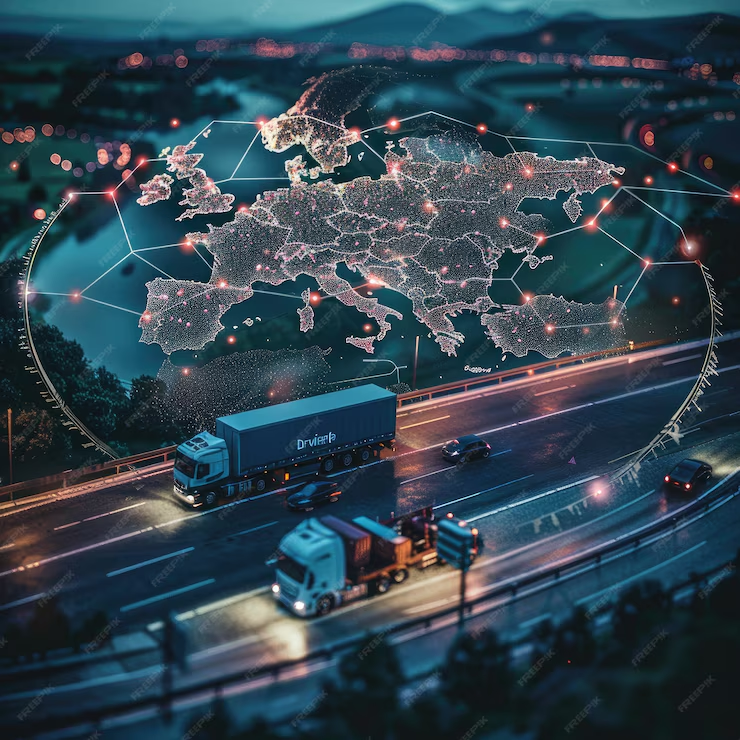
There is a need for more truck drivers/trailer drivers all around Europe which affects the global economy. European companies are expanding their horizon and offering opportunities for trailer driving in other countries. The trucking sector is a vital part of the growing economy, connecting manufacturers, suppliers, and consumers.
In recent years, due to a shortage of truck/trailer drivers in Europe, there has been an increase in demand for skilled truck drivers from other countries such as India and other Asian and Gulf countries, particularly for the European trucking industry.
Several factors has led to this trend, which includes a shortage of local drivers, the need for experienced and skilled professionals who can manage complex logistics networks, and the growing international trade volume.
Indian truck drivers are in demand for their expertise and reliability in complex Indian road networks, making them highly sought after in the European trucking market.
In this blog, we will explore the top European destinations for international trucking, highlighting key regions where Indian drivers can find better opportunities.
Our focus will include Germany, Poland, France, Belgium, Lithuania, Latvia and Spain—each offering unique prospects and growth potential for truck drivers seeking to expand their horizons in Europe.
Germany
Germany stands out as one of the premier destination in the international trucking industry due to its strengthening economy and central location in Europe.
As Europe’s largest economy, Germany serves as a crucial logistics hub, connecting various regions across the continent.
The well-developed infrastructure which includes extensive network of highways and transport facilities, makes it an attractive location for international trucking operations.

Rules for Truck Drivers in Germany
For heavy-duty or commercial vehicles, there are some rules and regulations that has been set for drivers for driving at certain times. These rules are essential to not only keep the drivers safe but also it can reduce the traffic congestion on the road.
These rules and regulations are:
- Driving Ban: The driving ban basically means that truck drivers are not allowed to drive their commercial vehicles or trailers on Sundays as well as on public holidays such as New Year’s Day, Good Friday, Labour Day, etc.
- Rest Times for Truck Drivers: As per German rules and regulations regarding working and resting time of truck drivers, drivers must take rest for 11 hours each day which splits between 3 hours of resting period and then after some time the drivers can have another 8 hours.
- Weight of Truck: The weight limit of trucks in Germany varies based on the different region and the type of goods or cargo the vehicle carries for transportation purpose. The maximum weight allowed on German roads is 40 tons.

Opportunities
- High Demand for Truck Drivers: Germany faces a considerable shortage of truck drivers, creating numerous job opportunities for skilled professionals. The demand is particularly high in sectors involving industrial goods and consumer products.
- Competitive Wages: Truck drivers in Germany enjoy competitive salaries, reflecting the high value placed on their expertise and the cost of living.
- Excellent Infrastructure: Germany’s state-of-the-art infrastructure, including well-maintained highways and efficient transport hubs, ensures smooth and efficient operations. The country’s focus on maintaining and upgrading its transport network supports a high standard of logistics and transportation services.
Poland
Poland is rapidly establishing itself as a key player in the European logistics sector, with its strategic location in Central Europe and the growing economy.
The country’s expanding infrastructure and increasing investment in logistics and transportation have positioned it as a crucial hub for international trucking.
With its central location, Poland serves as a gateway between Western and Eastern Europe, facilitating efficient trade and transport across the continent.

Rules and Regulations
The rules and regulation truck drivers must follow while navigating the roads of Poland:
- Driving License: Drivers must hold a valid European Union (EU) driving license or an International Driving Permit (IDP) which is recognized in Poland. Non-EU drivers may need to add additional documentation or work permits.
- Vehicle Requirements: Truckers must follows regulation that meet their vehicles to Polish vehicle standards, including emission regulations and safety inspections. Vehicles must also be equipped with a valid tachograph and follows guidelines regarding weight limit.
- Resting Period for Truck Drivers: Following the EU regulations regarding driving hours and rest periods, it is mandatory for truck drivers to comply with this regulations. Drivers must follow the informed or set limits for daily and weekly driving hours and ensuring to take adequate amount of rest to prevent fatigue.
- Road Tolls: Poland has a system of tolls for certain roads, including highways and expressways. Drivers must ensure they have the necessary toll passes or payments to use these roads.
- Documentation: Drivers should carry all necessary documentation that must be required on their transportation journey, including vehicle registration, insurance papers, and any required permits or licenses for transporting goods.
Opportunities
- Growing Market: Poland’s logistics sector has shown rapid growth which is driven by increased trade and investment. This growth is creating more and more opportunities for truck drivers, particularly in the transport of goods to and from various European destinations.
- Increasing Demand for Drivers: There is a significant demand for skilled truck drivers in Poland due to the expanding logistics industry and a shortage of local drivers. This demand translates into ample job opportunities for international drivers.
- Cost-Effective Living: Compared to Western European countries, the cost of living in Poland is relatively low. This can be advantageous for truck drivers seeking affordable accommodation and a good quality of life while working in Europe.
France
France is the prominent logistics hub in Europe, and is known for its well-developed infrastructure and strategic location.
The extensive network of roads, highways, and ports facilitates smooth transportation across the country and throughout the Europe.
As one of the largest and most influential economies in Europe, France plays a crucial role in international logistics, making it an attractive destination for truck drivers from around the world.

Rules and Regulations
The rules and regulations that must be followed by truck drivers operating in France:
- Vehicle Requirements: Truckers must comply with the French vehicle regulations, which includes regulations regarding emission standards and periodic technical inspections and maintenance of the vehicles. Vehicles must be equipped with a valid tachograph for recording driving hours.
- Resting Period for Truck Drivers: Compliance with EU regulations on driving hours and rest periods is required. Drivers must ensure to follow these regulation regarding resting period and take sufficient rest avoiding fatigue and sickness during the journey.
- Documentation: Essential documents include vehicle registration, insurance papers, and any required permits for transporting specific types of goods. Drivers should also carry a European Accident Statement form.
Opportunities
- Diverse Opportunities: France offers a wide range of opportunities for truck drivers, including both urban and long-haul routes. The country’s extensive network of highways and roads supports various types of trucking operations, from city deliveries to cross-border transport.
- Strategic Location: France’s central location in Western Europe makes it a key transit point for goods traveling to and from neighbouring countries such as Germany, Spain, Belgium, and the UK. This strategic position creates ample job opportunities for drivers.
- Growing Logistics Sector: The logistics sector in France is robust and continually evolving, providing numerous job prospects and career advancement opportunities for truck drivers.
Belgium
Belgium is located in Western Europe, being positioned at the crossroads of major European trade routes, Belgium also serves as a critical hub for the movement of goods across the continent.
Its location allows for efficient transport to neighboring countries such as France, Germany, the Netherlands, and Luxembourg.
Belgium’s high-quality infrastructure and well-developed transport networks further enhance its role in the logistics industry.

Rules and Regulations
Truck drivers operating in Belgium must follow specific rules and regulations to ensure compliance and safety:
- Driving License: Drivers need a valid European Union (EU) driving license or an International Driving Permit (IDP). Non-EU drivers may require additional documentation or permits.
- Vehicle Requirements: Trucks must meet Belgium’s vehicle standards, which includes adoption of sustainable logistic as reducing emission standards, maintenance of vehicles and following the weight limit regulations as well.
- Resting Period of Truck Drivers: Compliance with EU regulations on driving hours and rest periods is mandatory. Drivers must adhere to limits on daily and weekly driving hours and ensure they take required breaks to manage fatigue.
- Documentation: Drivers must carry all necessary documentation, including their vehicle’s registration, insurance papers, and permits for specific types of goods for eg: for carrying goods such as trucks carrying chemical products (hazmat transportation).
Opportunities
- Seamless Transportation: The country provides efficient access to major markets and trade routes, facilitating seamless cross-border transport.
- High-Quality Infrastructure: Belgium boasts a modern and well-maintained transport network which includes highways, ports, and logistics hubs. This infrastructure supports smooth and efficient logistics operations.
- Strong Logistics Sector: The logistics sector in Belgium is robust and highly developed, offering numerous opportunities for truck drivers. The country’s strong emphasis on logistics and transportation infrastructure contributes to a vibrant job market.
Spain
Spain provides diverse opportunities for both short and long-haul trucking due to its expansive geography and growing logistics sector.
From its bustling ports to its extensive network of highways, Spain is strategically positioned to serve as a major transportation hub in Southern Europe.
The country’s favorable climate and ongoing investments in logistics infrastructure further enhance its appeal to international truck drivers.

Rules and Regulations
Truck drivers operating in Spain must adhere to several key rules and regulations to ensure compliance and safety:
- Driving License: Drivers must hold a valid European Union (EU) driving license or an International Driving Permit (IDP). Non-EU drivers may need additional documentation or permits to operate in Spain.
- Vehicle Requirements: Trucks must comply with Spanish vehicle standards, including emission regulations and periodic technical inspections. Vehicles must also be equipped with a tachograph for monitoring driving hours.
- Hours of Service: Compliance with EU regulations on driving hours and rest periods is required. Drivers must adhere to prescribed limits for daily and weekly driving hours and take mandatory rest breaks to avoid fatigue.
- Documentation: Drivers should carry essential documents, including vehicle registration, insurance papers, and any required permits for transporting specific goods. A European Accident Statement form should also be carried.
Opportunities
Growing Logistics Sector: Spain’s logistics sector is expanding rapidly, driven by increased international trade and investments in infrastructure. This growth translates into a rising demand for truck drivers and a variety of job opportunities.
The generally mild and favorable climate in Spain is beneficial for trucking operations. Unlike harsher climates, Spain’s weather conditions often facilitate smoother driving and fewer weather-related disruptions.
The demand for trucking services is on the rise due to Spain’s strategic location and growing economy. This trend is supported by both domestic and international logistics needs, offering ample opportunities for drivers.
Lithuania
After joining EU (European Union),Lithuania has emerge as main player in the European trucking sector for economic development and growth, offering ample opportunities for both short and long-haul trucking.
European Union makes the country as an crucial transit point for goods traveling between Western Europe and other countries as well.
With its growing infrastructure and expanding logistics market, Lithuania is becoming an increasingly attractive destination for international trucking operations.
Many truckers from India are being hired to Lithuanian logistic companies.

Rules and Regulation
Truckers in Lithuania must meet the transportation regulation standard of Lithuania which includes complying with emission standards and going through maintenance of the vehicle driven by truck drivers.
Truckers should make sure their vehicle/trucks should be equipped with a tachograph to monitor driving hours and ensure adherence to regulations.
Following EU regulations on maximum daily and weekly driving hours.
Truckers should ensure proper rest periods to manage fatigue and comply with legal requirements for breaks and rest.
Truckers should carry vehicle registration, insurance documents, and any other documents required such as permits for transporting certain types of goods.
Truck drivers should ensure all cargo is securely loaded and complies with safety regulations.
Opportunities for Drivers in Lithuania
The logistics sector in Lithuania is expanding rapidly due to increased trade and investment, creating numerous job opportunities for truck drivers, especially those experienced in international trucking.
Lithuania is investing in improving its transport infrastructure, including road enhancements and the development of logistics hubs, contributing to a more efficient trucking environment.
The cost of living in Lithuania is relatively low compared to Western Europe, which benefits drivers. Wages in the trucking sector are competitive, reflecting the high demand for skilled professionals.
Conclusion
The expanding opportunities for international trucking in Europe present a promising landscape for skilled truck drivers from around the world. Countries like Germany, Poland, France, Belgium, Spain, and Lithuania offer unique advantages and growth potential for truck drivers, particularly those from India.
Each of these destinations is a key player in the European logistics sector, with robust infrastructure, competitive wages, and increasing demand for experienced drivers to manage complex logistics networks.
As the European logistics sector continues to evolve, the need for skilled professionals who can navigate these dynamic environments becomes ever more critical.
The shortage of local drivers and the rise in international trade have created a significant demand for drivers with expertise in managing diverse and challenging road networks.
Skillbee, a leading recruitment and staffing agency, plays a crucial role in connecting Indian truck drivers with these burgeoning opportunities in Europe.
By partnering with top logistics companies across these countries, Skillbee provides a gateway for Indian drivers to leverage their skills and experience in high-demand European markets.
If you are an Indian truck driver seeking to expand your horizons and take advantage of the growing opportunities in Europe, Skillbee offers the truck/trailer driving opportunities with prominent logistics firms, helping you to advance your career in this vibrant and expanding sector.
 +971 52 119 7025 (UAE)
Leave a Reply