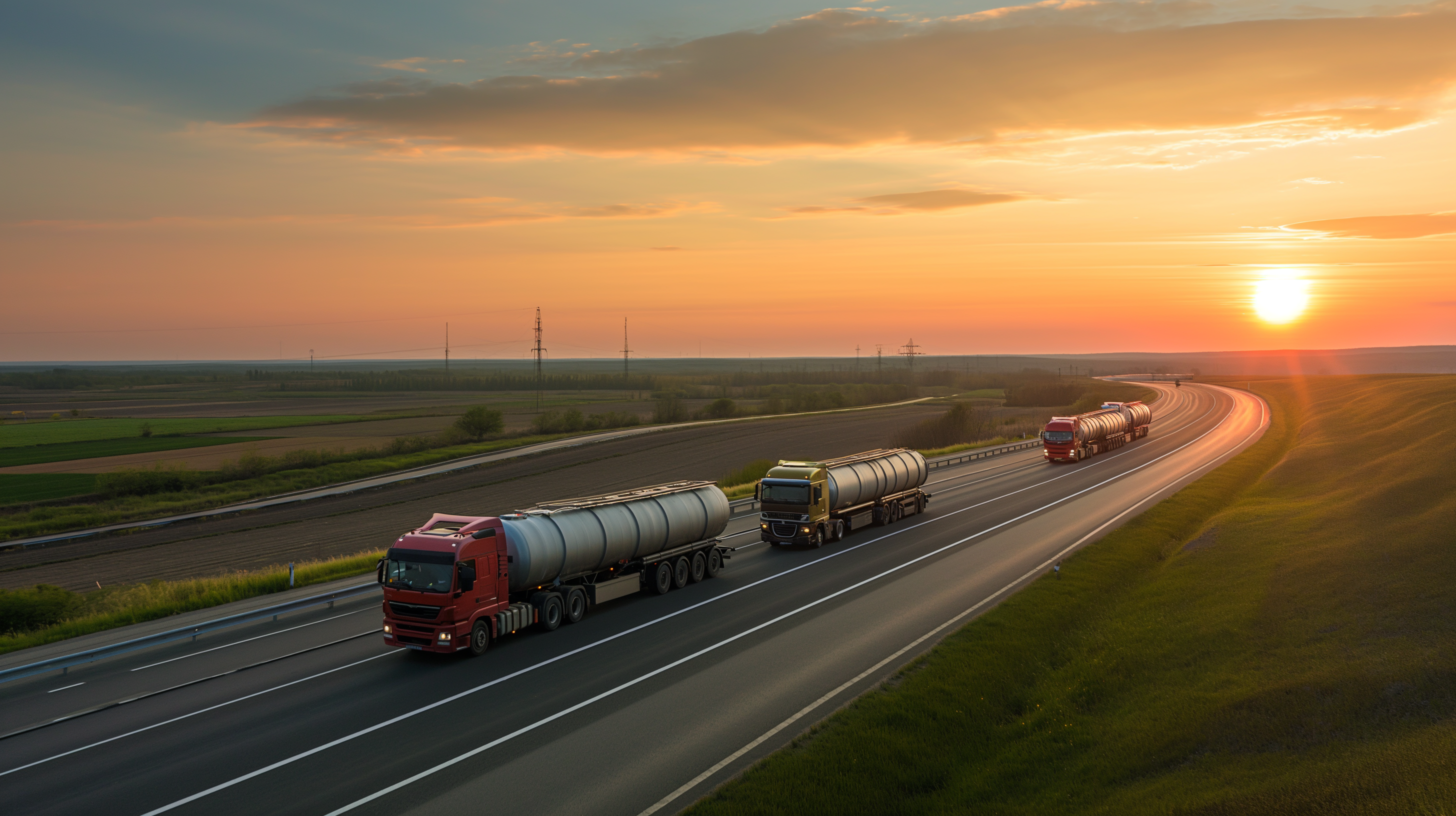
In the domain of road freight transportation, large goods trailers are indispensable for efficiently moving goods across extensive distances. With the expansion of global trade and the growing complexity of supply chains, there is a heightened need for sturdy, high-capacity trailers capable of accommodating large volumes of cargo.
This article delves into the evolution, design factors, advantages, and hurdles linked with large goods trailers, along with their significant influence on the road freight sector.
Evolution of Large Goods Trailers
- Origins in Road Transportation: Large goods trailers have roots dating back to the early days of road transportation, where horse-drawn wagons and carts were integral for moving goods overland.
- Technological Advancements: With the advancement of technology and the maturation of the automotive industry, trailers progressed from rudimentary single-axle designs to sophisticated multi-axle configurations capable of handling substantial payloads.
- Innovations Driving Progress: Key innovations like hydraulic braking systems, advanced suspension setups, and the integration of lightweight materials have significantly contributed to the evolution of trailers. These advancements have enhanced safety, durability, and overall efficiency.
- Safer and More Efficient Designs: The evolution of trailers has resulted in safer and more durable designs than ever before. Modern trailers can withstand rigorous demands while ensuring the safety of both the cargo and other road users.

Design Considerations for Large Goods Trailers
Designing large goods trailers driver requires meticulous attention to multiple factors to ensure optimal performance and efficiency:
- Payload Capacity: Trailers must be designed to accommodate a substantial payload while adhering to legal weight limits and axle configurations.
- Aerodynamics: Incorporating aerodynamic features such as streamlined profiles, side skirts, and vortex generators reduces drag, enhancing fuel efficiency, particularly at highway speeds.
- Stability: Ensuring trailer stability is paramount for safe operation, achieved through proper weight distribution, suspension systems, and load securing mechanisms.
- Maneuverability: Designing trailers for ease of maneuverability improves driver control, especially in tight spaces and urban environments.
- Materials: Utilizing lightweight yet durable materials like aluminum and advanced composites enables trailers to carry heavier loads without compromising structural integrity, contributing to enhanced efficiency and longevity.

By carefully balancing these design considerations, manufacturers can produce large goods trailers that offer optimal performance, safety, and sustainability in the transportation of goods across diverse terrains and conditions.
Types of Large Goods Trailers
Large goods trailers are versatile tools in the transportation industry, offering tailored solutions for diverse cargo types and logistical needs. Here are some common types:
- Flatbed Trailers: Flatbed trailers feature an open design with a flat loading surface, making them ideal for transporting oversized or irregularly shaped cargo such as machinery, construction materials, and vehicles. Their versatility allows for easy loading and unloading, accommodating various shapes and sizes of goods.
- Enclosed Trailers: Enclosed trailers provide protection from the elements and security for valuable or sensitive cargo. They are commonly used for transporting perishable goods, consumer products, and high-value items requiring climate control and security during transit. Enclosed trailers ensure that goods arrive at their destination in optimal condition, regardless of external factors.
- Refrigerated Trailers (Reefers): Refrigerated trailers, also known as reefers, are equipped with temperature-controlled systems to transport perishable goods such as food and pharmaceuticals. Maintaining specific temperature ranges throughout the journey ensures the freshness and integrity of the cargo, meeting stringent quality and safety standards. Reefers play a crucial role in the cold chain logistics industry, preserving the quality and shelf life of temperature-sensitive products.
- Tank Trailers: Tank trailers are specialized vehicles designed for transporting liquids or gases in bulk, such as petroleum products, chemicals, and liquefied gases. They feature cylindrical tanks made of durable materials like stainless steel or aluminum, capable of withstanding the demands of hazardous materials transport. Tank trailers adhere to strict safety regulations to prevent leaks, spills, and environmental contamination during transit.

Benefits of Large Goods Trailers
The adoption of large goods trailers offers several advantages for carriers, shippers, and the environment:
- Increased Payload Capacity: Larger trailers translate to higher payload capacities, maximizing efficiency and reducing operating costs per ton-mile for carriers.
- Reduced Environmental Impact: By accommodating more cargo per shipment, large goods trailers contribute to fewer trips, reduced congestion on highways, and lower emissions, promoting environmental sustainability.
- Enhanced Supply Chain Efficiency: Shippers benefit from lower shipping costs, faster transit times, and improved inventory management, enabling them to meet customer demand more effectively and gain a competitive edge in the marketplace.
Challenges and Considerations in Operating Large Goods Trailers
Despite their advantages, large goods trailers present several challenges that necessitate careful consideration for safe and efficient operation on the road.
1. Road Infrastructure Compatibility:
- Larger trailers may require wider lanes, reinforced pavements, and stronger bridges to accommodate their size and weight.
- Ensuring compatibility with existing road infrastructure is crucial to prevent damage and maintain road safety.
2. Maneuverability and Parking Challenges:
- Urban areas with tight spaces and restricted access pose significant challenges for maneuvering and parking larger trailers.
- Drivers must navigate these constraints safely to avoid accidents and disruptions to traffic flow.
3. Safety Concerns:
- Trailer stability is a primary safety concern, particularly during turns and sudden maneuvers.
- Braking performance must be carefully monitored to ensure sufficient stopping power, especially when hauling heavy loads.
- Adequate driver training is essential to handle the complexities of operating larger trailers safely.

Regulatory and Legal Considerations
1. Compliance with Government Regulations:
- National, state/provincial, and local governments impose regulations on maximum dimensions, weight limits, axle configurations, and safety standards for large goods trailers.
- Strict adherence to these regulations is necessary to avoid fines, penalties, and liability in case of accidents or violations.
2. Permit and License Requirements:
- Carriers must obtain permits and licenses to transport oversized or overweight loads legally.
- Failure to obtain the necessary permits can result in legal consequences and operational disruptions.
3. Routing Restrictions:
- Specific routing restrictions may apply to large goods trailers to minimize disruption to traffic flow and protect infrastructure.
- Compliance with designated routes and restrictions helps prevent damage to roads and bridges and ensures the safety of other road users.

In summary, while large goods trailers offer benefits in terms of transporting bulk cargo efficiently, addressing challenges related to road infrastructure compatibility, maneuverability, and safety is paramount. Moreover, strict adherence to regulatory requirements, obtaining permits and licenses, and following designated routes are essential to ensure legal compliance and operational integrity when operating these trailers on public roads.
Conclusion:
Large goods trailers are indispensable in the modern economy, facilitating the seamless transportation of goods across vast distances. As technology, design, and regulations progress, these trailers adapt to meet the dynamic demands of the road freight sector. Embracing innovation, overcoming challenges, and upholding safety and regulatory standards are pivotal in unlocking the immense potential of large goods trailers. Through collaborative efforts involving stakeholders like Skillbee, who provide expertise in trailer design, operation, and compliance, the road freight industry can drive economic prosperity, fortify supply chains, and foster sustainability in freight transportation. Together, we can harness the power of large goods trailers to propel forward into a more efficient, resilient, and sustainable future for freight logistics.
 +971 52 119 7025 (UAE)
Leave a Reply