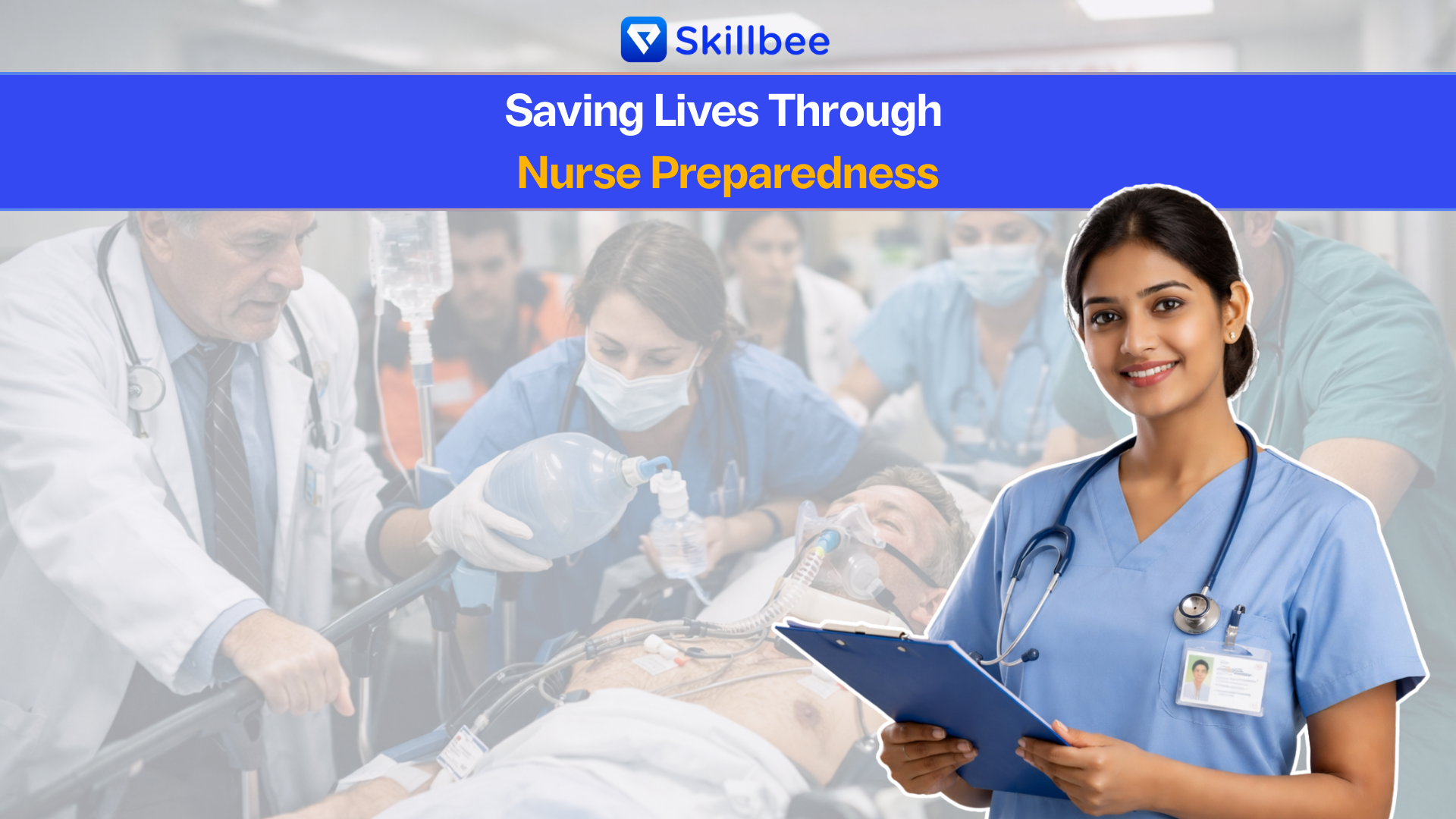
Emergency medicine is one of the most demanding areas of healthcare, where quick thinking and decisive action are essential. Emergency Care Training for Nurses is the foundation of effective Nurse Preparedness in Healthcare, ensuring nurses can respond confidently to life-threatening situations. Nurses are often the first to assess patients, identify signs of deterioration, and initiate life-saving interventions. Emergencies such as cardiac arrest, trauma, stroke, and severe infections require immediate and coordinated care, making nurses indispensable members of the emergency response team. Their ability to perform CPR, manage airways, administer emergency medications, and act effectively under pressure can significantly improve patient outcomes. Continuous hands-on training, simulation exercises, and professional development are essential to maintaining clinical competence and emergency readiness.
This blog explores the importance of Nurse Preparedness in Healthcare, highlighting the value of practical emergency care training, essential nursing skills, and its impact on delivering safe, high-quality patient care.
Training Gaps Affecting Nurse Preparedness in Healthcare

Despite the critical role nurses play in emergencies, many healthcare facilities face significant shortages in hands-on emergency training. While nursing education provides a strong theoretical foundation, real-life emergencies demand more than classroom knowledge; they require the ability to apply skills under pressure. Limited resources, staff shortages, and heavy workloads often restrict opportunities for nurses to develop and maintain practical skills, both in hospitals and clinical settings.
Investing in Emergency Care Training for Nurses helps bridge these skill gaps by providing practical experience that prepares nurses for real-life emergencies. Theoretical education alone cannot fully prepare nurses for the realities of emergency care. In real clinical situations, nurses must respond rapidly, perform complex procedures, and make critical decisions under high stress. For instance, completing a course on trauma care or cardiopulmonary management cannot replicate the experience of treating a patient in sudden cardiac arrest within a crowded emergency department. Without sufficient practice in realistic scenarios, nurses may struggle with decision-making and execution in actual emergencies.
As a result, many nurses enter high-stress work environments underprepared. This lack of readiness can cause uncertainty when managing life-threatening events, not due to a lack of dedication but because of insufficient exposure to simulated or practical experiences. Addressing these gaps is crucial not only for improving nurse confidence but also for enhancing patient safety and achieving better outcomes during emergencies.
Common Areas Where Skills Fall Short
Consistent Emergency Care Training for Nurses is essential to strengthen clinical skills, improve confidence, and prepare healthcare professionals for high-pressure situations.
- Limited Exposure to Real-Life Trauma and Resuscitation Scenarios: Some nurses complete their education without encountering severe emergencies, such as cardiac arrest, significant trauma, or patients in shock. Without real-world exposure, nurses may find it difficult to respond effectively when such cases arise unexpectedly.
- Infrequent Simulation-Based Learning: Simulation training is one of the most effective methods for preparing nurses for emergencies, allowing them to practice critical skills in a controlled environment. However, many healthcare facilities conduct simulations only sporadically, leaving nurses underprepared for real-life emergencies.
- Lack of Continuous Skill Refreshers: Skills such as CPR, airway management, and triage can diminish without regular practice. Even experienced nurses may lose proficiency if they do not engage in continuous training, which can affect both speed and accuracy during emergencies.
- Communication Breakdowns During Crises: Effective teamwork and communication are essential in emergency situations. Clear role designation, rapid information dissemination, and coordinated action are critical. Stressful scenarios can lead to miscommunication or delays, which may jeopardize patient safety.
Addressing these weaknesses through consistent practice, simulation, and team-based training is essential for improving emergency care and saving lives.
How Training Gaps Put Patients at Risk

Training gaps have serious consequences for patient safety, as they can compromise the speed, accuracy, and coordination of emergency care. When nurses lack hands-on experience, patient outcomes are at greater risk. Without regular Emergency Care Training for Nurses, healthcare facilities may experience delays in emergency response, increasing risks for both patients and medical teams.
- Delays in Assessment and Treatment: Rapid identification of a patient’s condition and timely intervention are crucial in emergencies. Training gaps can slow decision-making, leading to missed warning signs or delayed life-saving measures.
- Higher Chances of Clinical Errors: Inexperienced nurses may be less familiar with emergency procedures, medication dosages, or equipment operation. Minor mistakes in high-pressure scenarios can have severe or irreversible consequences for patients.
- Increased Complications in Trauma, Stroke, Cardiac Arrest, and Sepsis: These conditions require highly technical skills, rapid action, and confident teamwork. Without sufficient preparation, outcomes can worsen, recovery may take longer, and mortality rates may rise.
- Reduced Patient Trust and Safety Outcomes: Patients and families expect immediate and competent care in emergency departments. Any indication of uncertainty or delay can erode confidence in the healthcare system. Closing training gaps is essential not only for improving nurse performance but also for protecting patients from avoidable harm.
Why Practical Nursing Experience Matters Most

Emergency Care Training for Nurses combines theoretical knowledge with hands-on practice, helping nurses build the confidence and competence needed during medical emergencies. Practical experience is critical for nurses to deliver high-quality emergency care. Confidence and quick decision-making are essential when seconds can determine patient survival. The ability to prioritize actions effectively under pressure is developed through repeated practice.
Nurses who gain hands-on experience performing technical skills, such as CPR, airway management, emergency medication administration, and trauma response, can execute these procedures calmly and efficiently. While theoretical knowledge provides the steps, practical experience ensures that skills can be performed correctly under pressure. Repetition in controlled or simulated environments develops both muscle memory and mental readiness, enabling nurses to act decisively in emergencies.
Practical experience transforms skills into action. It instils responsibility and competence in providing patient care during emergencies, ultimately improving patient outcomes while boosting nurse confidence and resilience.
What Nurses Can Do to Strengthen Emergency Readiness

Nurses play a crucial role in bridging theoretical knowledge and practical application. By actively developing their skills, they can enhance performance under pressure and improve patient outcomes.
- Participate in Regular Simulation Drills: Simulation recreates real-life emergencies, allowing nurses to practice critical procedures, decision-making, and rapid responses in a safe, controlled environment. Frequent drills reinforce skills and reduce hesitation during actual emergencies.
- Seek Certifications in Emergency and Critical Care Nursing: Specialized certifications provide in-depth knowledge and hands-on experience in trauma, cardiopulmonary care, and resuscitation. These credentials improve competence and demonstrate commitment to high standards of patient care.
- Engage in Mentorship and Shadowing Programs: Observing experienced nurses provides insight into best practices, advanced techniques, and approaches to complex scenarios. Mentorship strengthens confidence and professional growth.
- Regularly Review Protocols and Emergency Guidelines: Staying updated with evidence-based guidelines ensures nurses apply the most current procedures, minimizing errors and enhancing patient safety.
- Develop Teamwork and Communication Skills: Emergency care is a collaborative effort. Clear communication, defined roles, and coordinated action among team members improve efficiency and patient outcomes.
By proactively enhancing their skills, nurses ensure they are prepared to respond effectively when it matters most.
Role of Hospitals and Leaders in Supporting Nurses
Healthcare institutions and leaders are responsible for creating environments that support nurses’ emergency readiness.
- Provide Structured Emergency Training Programs: Hospitals should offer consistent, organized training covering essential skills such as resuscitation, trauma care, and rapid patient assessment.
- Encourage Ongoing Professional Development: Leaders can facilitate access to workshops, certifications, and continuous learning opportunities, helping nurses stay current with best practices.
- Invest in Realistic Simulation Labs: High-fidelity simulations allow nurses to practice emergencies in lifelike conditions, strengthening technical skills, teamwork, and decision-making.
- Build a Culture of Continuous Learning: Promoting a culture that values skill refinement, feedback, and ongoing training ensures that emergency readiness is embedded into everyday practice.
Supporting nurses through structured training, professional development, and a culture of continuous learning ultimately improves patient safety and outcomes.
Conclusion
Emergency medicine is high-stakes, fast-paced, and unpredictable. Nurses are on the frontline, making split-second decisions that directly impact patient survival. Closing training gaps through hands-on practice, simulation drills, ongoing skill refreshers, and effective teamwork is essential for ensuring nurses are confident, competent, and prepared.
Practical experience turns theoretical knowledge into decisive action, allowing nurses to provide timely and effective care. For nurses looking to expand their careers and gain international exposure, Skillbee is actively recruiting qualified Indian nurses for roles in Germany. This opportunity allows nurses to work in well-equipped hospitals, enhance emergency care expertise, and contribute to a healthcare system that values preparedness, skill, and excellence.
By combining continuous training, practical experience, and global opportunities, nurses can strengthen their skills, boost patient safety, and make a lasting impact in emergency medicine.
 +91 73 6009 6009 (India)
 contact@skillbee.com
Leave a Reply